Train Trips for Older Seniors: Comfortable Travel Tips and Ideas
Train travel can be a gentle way for older seniors to see more of the world without the strain that often comes with airports, long drives, or tightly packed tour schedules. Stations are usually closer to city centers, the seats are easier to settle into, and the journey itself can feel like part of the holiday rather than an obstacle. With thoughtful planning, rail trips can support comfort, safety, and independence at many ages. This guide explains how to choose routes, pack wisely, book smarter, and enjoy the ride with confidence.
Outline
- Why train travel often suits older seniors better than flying or driving.
- How to choose routes, seating, classes, and accessible services.
- Ways to plan for comfort, medication, mobility, and peace of mind.
- Practical advice on booking, budgeting, packing, and avoiding common mistakes.
- Trip ideas and a concluding guide for making rail journeys easier and more enjoyable.
Why Train Travel Often Fits Older Seniors Better Than Other Modes of Travel
For many older seniors, the appeal of a train trip begins long before departure. Compared with air travel, rail journeys usually involve less time standing in queues, fewer strict luggage rituals, and less pressure to move quickly through large terminals. Compared with driving, trains remove the fatigue of traffic, navigation, night driving, and long hours in one position. That shift matters. A trip should not feel like an endurance test, and for many travelers in later life, rail is one of the few forms of transport that can still feel spacious, steady, and humane.
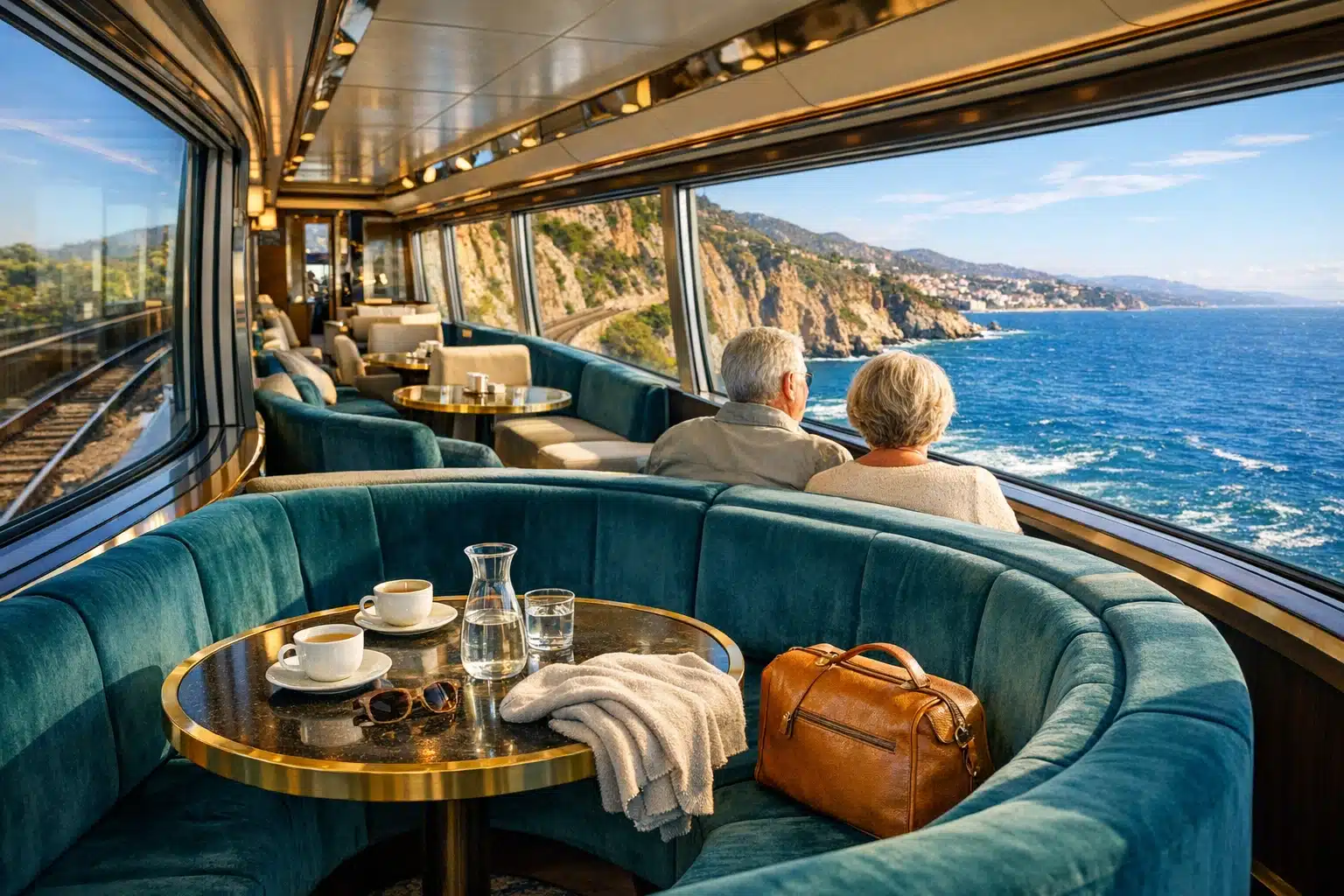
One of the biggest advantages is the rhythm of the journey itself. On a train, passengers can stand up, walk a little, visit the restroom more easily than on a plane, or simply look out the window while the landscape changes from suburbs to farms to riverside towns. There is something quietly reassuring about that motion. Instead of arriving exhausted, many travelers step off the train feeling they have already had part of the experience. The ride becomes a moving veranda, with changing scenery rather than engine noise and lane changes.
There are also practical reasons train travel can work well for older adults:
- Stations are often located near town centers, reducing the need for long transfers.
- Boarding can be simpler than airport procedures, especially on regional and intercity services.
- Seats tend to be wider than on many short-haul flights, with more legroom on certain routes.
- Travelers can bring essentials such as medication, snacks, reading glasses, and a light sweater within easy reach.
That said, train travel is not automatically easy. Some stations still have stairs, long platforms, uneven gaps between train and platform, or rushed transfers. Delays can also happen, especially on busy networks. Older seniors who travel comfortably by rail are usually the ones who match the trip to their actual needs rather than an idealized picture of travel. A two-hour direct route may be far better than a cheaper option with three changes. A daytime departure may feel much safer and calmer than an early morning scramble.
The key comparison is simple. Flying may save time over very long distances, and driving may offer door-to-door flexibility, but trains often win on overall comfort, dignity, and ease. For older seniors who value a steady pace, manageable movement, and the pleasure of seeing the world unfold at window height, train travel remains one of the most practical and rewarding choices available.
Choosing the Right Route, Seat, and Support Services
A successful rail trip for an older senior usually depends less on the destination than on the design of the journey. Two routes to the same place can feel completely different. One may involve a single direct train, clear signage, reserved seats, and easy station access. Another may require multiple transfers, platform changes, and a hurried final connection. When comfort matters, the simplest itinerary is often the smartest one, even if it costs a little more.
The first decision is whether to choose a daytime or overnight trip. Day trains work well for travelers who prefer clear arrival times, visible scenery, and easier orientation at stations. Overnight trains can be appealing on longer routes, especially when sleeping cabins are available, but they may be less suitable for people who sleep lightly, need regular nighttime bathroom access, or feel uneasy in unfamiliar compartments. There is no universal answer; the right choice depends on energy levels, sleeping habits, and mobility.
Seat selection matters more than many people realize. An aisle seat can make it easier to stand up and stretch. A window seat can reduce the sense of bustle and create a calmer experience. On some trains, first class or business class offers extra legroom, quieter carriages, and fewer passengers, while standard class may be entirely adequate for shorter trips. The goal is not luxury for its own sake. It is choosing the option that reduces strain.
Useful comparisons to consider include:
-
Direct trains versus connecting routes: direct services usually mean less stress and fewer chances for missed connections.
-
Reserved seating versus open seating: reserved seats add certainty, which can be especially helpful on busy travel days.
-
Standard versus premium class: a higher fare can be worthwhile if it buys more space, quieter conditions, or easier boarding.
-
Lower-level or accessible seating versus upper deck options: lower access may be better for passengers with balance or stair concerns.
It is also worth checking whether the operator offers station assistance. In many countries, rail companies can arrange help with boarding ramps, luggage guidance, or escort service through larger stations if requested in advance. This support is especially important for travelers using walkers, canes, or wheelchairs, and for those who tire easily on long platforms. Services vary widely by operator, so it is wise to confirm details directly before booking.
Finally, think beyond the train itself. Ask where the taxi stand is, how far the hotel is from the station, whether elevators are available, and how much walking is required after arrival. The best route is the one that feels manageable from front door to hotel room, not just from station to station. A well-chosen seat and a well-planned route can turn a difficult day into a smooth and memorable one.
Planning for Comfort, Medication, Mobility, and Safety on the Journey
Older seniors often enjoy train travel most when they prepare for the small things that shape comfort hour by hour. A rail trip may feel more relaxed than flying, but it still asks for thoughtful planning. Temperature can change between stations and onboard carriages. Walking distances may be longer than expected. Dining options can be limited, delayed, or expensive. The more these details are handled before departure, the more energy remains for the enjoyable parts of the trip.
Medication is one of the most important considerations. Essential medicines should stay in a personal bag, never buried in larger luggage that may be hard to reach. A written medication list, including dosages and timing, can be useful if help is needed during travel. For international trips, carrying prescriptions or a doctor’s note may also be sensible, especially for controlled medications or medical devices. It is wise to pack more than the exact number of doses needed in case of delays.
Mobility planning deserves equal attention. Travelers who use a cane, walker, or folding wheelchair should confirm boarding arrangements in advance because train accessibility differs by country, station age, and train design. Some stations have step-free access and staff assistance, while others still require more self-reliance. If balance is a concern, avoid last-minute dashes across platforms. A longer connection can be a gift, not a waste.
A practical comfort checklist often includes:
- Medication and prescriptions kept in an easy-to-reach day bag.
- Water, light snacks, and tissues for journeys with limited food service.
- A small travel pillow or scarf for neck support and temperature changes.
- Compression socks or comfortable footwear if swelling is a concern during long periods of sitting.
- Printed tickets, charger cables, reading glasses, and emergency contact details.
Safety on a train is usually straightforward, but simple habits help. Keep valuables close, especially when sleeping or visiting the restroom. Label luggage clearly. Store heavier bags where they can be lifted safely, or ask staff or a fellow traveler for help rather than risking a strain. There is no prize for lifting a suitcase alone.
Hydration and gentle movement also matter. On longer journeys, standing up from time to time and walking a short distance through the carriage can reduce stiffness. If a traveler has a medical condition that affects circulation, breathing, or fatigue, personalized medical advice should come from a qualified professional before the trip. In general, though, comfort on the rails comes from pacing: drink a little water, stretch a little, rest a little, and let the journey unfold without hurry. That slower cadence is one of train travel’s finest gifts.
Booking Smarter: Costs, Timing, Packing, and Mistakes to Avoid
Train trips for older seniors do not need to be extravagant, but they do benefit from smart booking. In many rail systems, prices rise as popular departures fill up, especially on high-speed or long-distance routes with mandatory reservations. Booking earlier can improve both cost and choice. It may allow access to lower fares, preferred seat locations, and more convenient departure times. Waiting until the last minute can leave only awkward schedules or physically demanding transfers.
Budgeting begins with an honest look at priorities. Some travelers prefer to save on the ticket and spend more on a well-located hotel. Others are happy to pay extra for first class, a private sleeper, or a direct service that reduces stress. For older seniors, value is not only about the lowest price. Value often means fewer physical demands and more predictability. A slightly higher fare may deliver a much easier day.
It is also useful to compare rail passes with point-to-point tickets. Passes can offer flexibility and are attractive for multi-city trips, but they sometimes still require seat reservations and supplemental fees on popular trains. Point-to-point tickets are often simpler for travelers with a fixed itinerary. The best option depends on how many journeys are planned and how certain the schedule is.
When packing, lighter is almost always better. Many train stations do not provide the kind of door-to-door baggage handling found on cruise ships or escorted tours. A bag that seemed manageable in the bedroom can become awkward on stairs, ramps, or crowded platforms. Aim for luggage that can be rolled easily and lifted safely if needed. Packing cubes or clearly separated pouches can also make it easier to find essentials without rummaging in public spaces.
Common mistakes to avoid include:
- Choosing very tight connections to save a small amount of money.
- Ignoring station layout, elevator access, or walking distance after arrival.
- Assuming all trains have dining cars, accessible toilets, or abundant luggage space.
- Packing heavy suitcases that are difficult to handle independently.
- Forgetting to check cancellation rules, refund terms, and seat reservation requirements.
Timing matters too. Shoulder seasons such as spring and early autumn often bring milder weather, thinner crowds, and a calmer travel experience than peak summer holiday periods. Mid-morning departures may feel easier than very early departures, particularly for travelers who need extra time getting ready. If a journey is long, an overnight stop between major legs can transform the whole trip.
The best booking strategy is simple: spend where comfort counts, save where effort does not increase, and always leave room for the unexpected. A calm schedule, manageable luggage, and a realistic budget usually do more for travel enjoyment than any flashy upgrade ever could.
Conclusion for Older Seniors: Train Trip Ideas That Feel Manageable, Memorable, and Worth Taking
For older seniors, the most satisfying rail journeys are often not the most ambitious ones. They are the ones shaped around comfort, curiosity, and energy. A short scenic day trip can be wonderful for travelers who want the pleasure of movement without the complexity of overnight planning. A two-city journey with a few relaxed days in each destination can feel rich without becoming exhausting. On some routes, a private sleeper may turn a long distance into a practical and enjoyable experience, while on others, a simple daytime intercity train is the wiser choice.
There are many ways to build a rail holiday that feels both safe and rewarding:
- Choose a scenic regional line for a first or confidence-building trip.
- Plan a city-to-city route with hotels close to the station.
- Travel in shoulder season for lower crowd levels and gentler weather.
- Use one destination as a base and take short day trips by train.
- Consider traveling with a friend, relative, or small escorted group if extra support would help.
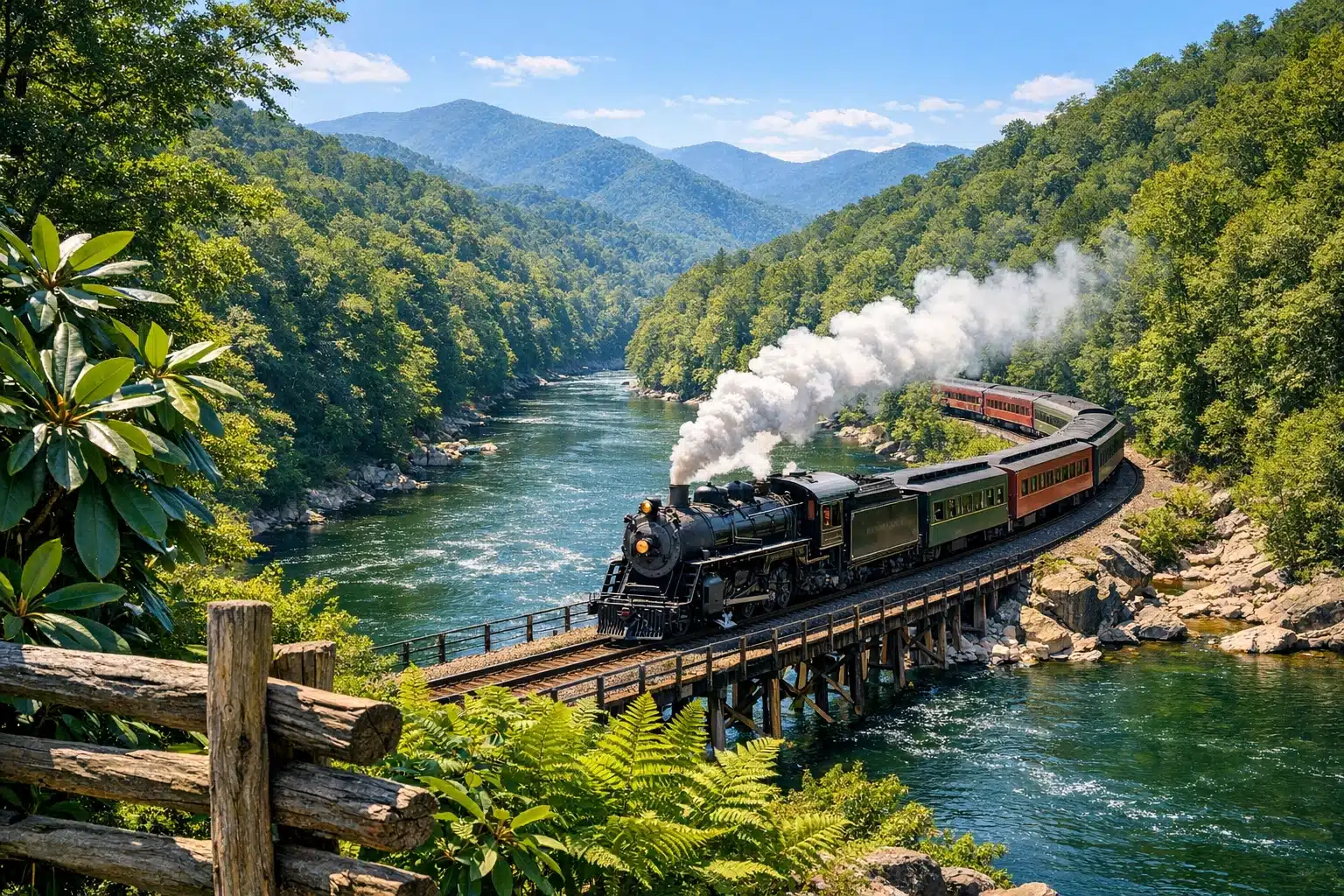
Good examples might include a countryside route with large windows and reserved seats, a coastal journey with a single hotel at the end, or a historic city break where the station is a short taxi ride from the accommodation. In the United States, some travelers enjoy longer Amtrak routes for the scenery and the option of private roomettes. In Europe, many intercity networks make it possible to reach major cultural cities without renting a car. In Japan, reserved seating and punctual operations can make rail especially appealing, though station size and pace may still require careful planning. The right choice depends on the traveler, not the brochure.
The central lesson is encouraging. Growing older does not automatically mean shrinking one’s world. It often means traveling more selectively and more wisely. Train trips can support that shift beautifully. They allow older seniors to protect their energy, keep a sense of independence, and still enjoy the textures of travel: the platform announcement, the warm drink in hand, the station clock, the slow reveal of hills, rivers, and rooftops beyond the glass.
If the goal is a trip that feels less rushed, less physically punishing, and more connected to the landscape itself, train travel deserves serious consideration. Start with a route that feels easy, book the support you need, and let comfort guide every decision. The result is not merely transportation. It is a style of travel that respects the traveler.